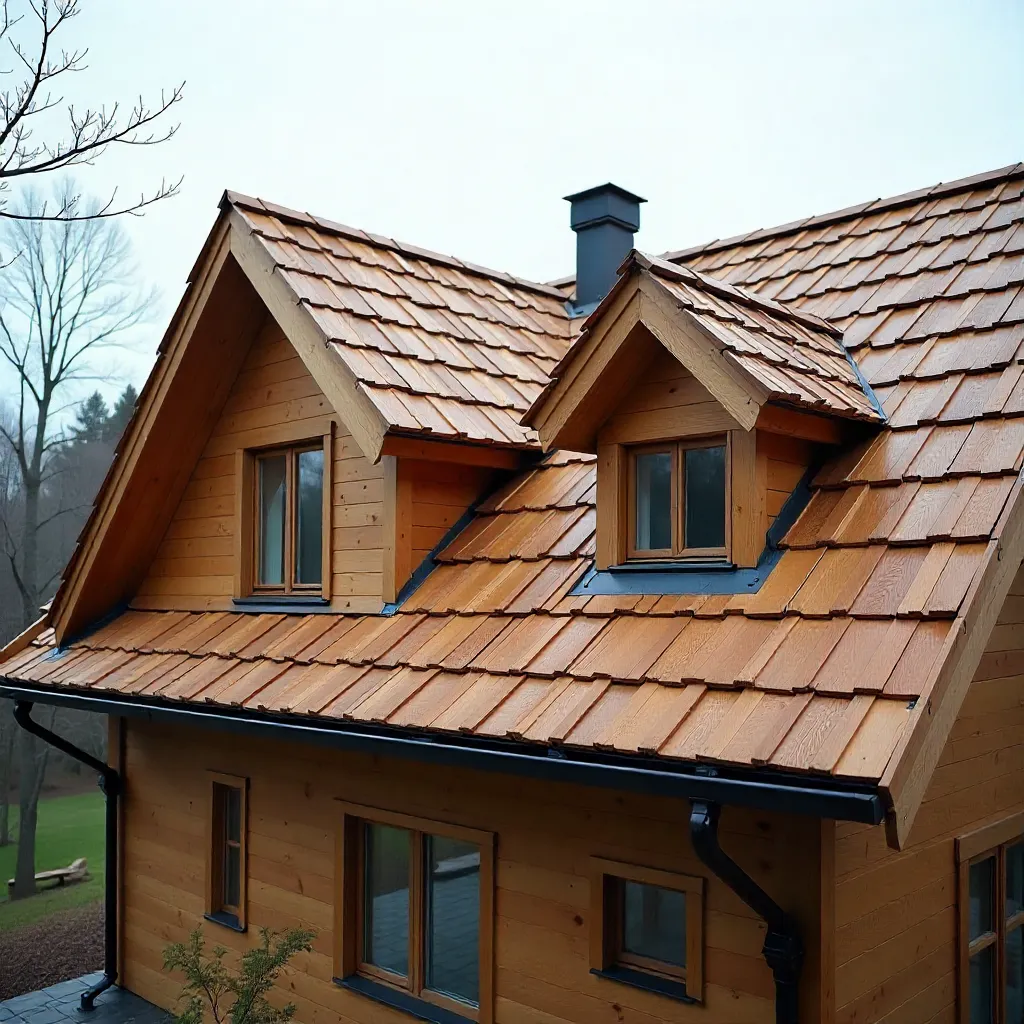
Snow-Load Resilience
Nordic climates experience significant snow accumulation, requiring roofing systems that can support heavy loads without structural compromise. Our materials are engineered to handle extreme snow conditions.
Load-Bearing Capacity
Our roofing systems are designed to support snow loads of up to 150 kg/m², exceeding standard Nordic building requirements. The structural integrity remains uncompromised even under maximum load conditions.
Slope Optimization
Proper roof pitch is crucial for snow management. Our installation guidelines ensure optimal angles that facilitate natural snow shedding while maintaining structural stability.
Rain and Wind Resistance
Persistent rain and strong winds are common in Nordic regions. Our roofing materials provide superior protection against water infiltration and wind uplift.
Waterproofing Excellence
Multi-layer waterproofing systems prevent moisture penetration even during extended periods of heavy rainfall. Advanced membrane technology ensures complete protection.
Wind Uplift Resistance
Secure fastening systems and aerodynamic designs prevent wind uplift even in severe storms. Materials are tested to withstand winds exceeding 150 km/h.
Thermal Insulation Impact
Effective thermal insulation is essential for energy efficiency in Nordic climates. Our roofing systems significantly reduce heat loss, lowering heating costs and environmental impact.
Eco Drainage Solutions
Sustainable drainage systems manage water runoff while protecting local ecosystems. Our solutions integrate seamlessly with eco-friendly roofing materials.
Rainwater Harvesting
Integrated collection systems allow you to capture and reuse rainwater for irrigation and other non-potable uses, reducing water consumption and utility costs.
Natural Filtration
Green roof systems naturally filter rainwater, removing pollutants before water enters drainage systems or groundwater supplies.
Passive Energy Benefits from Green Roofs
Green roofs provide natural insulation and temperature regulation, reducing the need for mechanical heating and cooling systems.
Year-Round Energy Savings
During winter, the vegetation layer and soil provide additional insulation, reducing heat loss. In summer, evapotranspiration from plants naturally cools the building, reducing air conditioning needs. This passive energy management can reduce energy consumption by 15-30% annually.
Winter Insulation
The soil and vegetation layer act as a natural barrier, preventing heat from escaping through the roof structure.
Summer Cooling
Plant transpiration creates a cooling effect, reducing surface temperatures and lowering cooling requirements.
Material Performance Under Extreme Conditions
Our materials undergo rigorous testing to ensure performance under Nordic climate extremes:
-
Freeze-Thaw Cycles: Materials withstand hundreds of freeze-thaw cycles without cracking or degradation.
-
Ice Dam Prevention: Proper ventilation and insulation prevent ice dam formation that can cause water damage.
-
UV Resistance: Even during extended daylight hours in summer, materials maintain their integrity and appearance.
-
Thermal Expansion: Materials naturally accommodate temperature-related expansion and contraction.