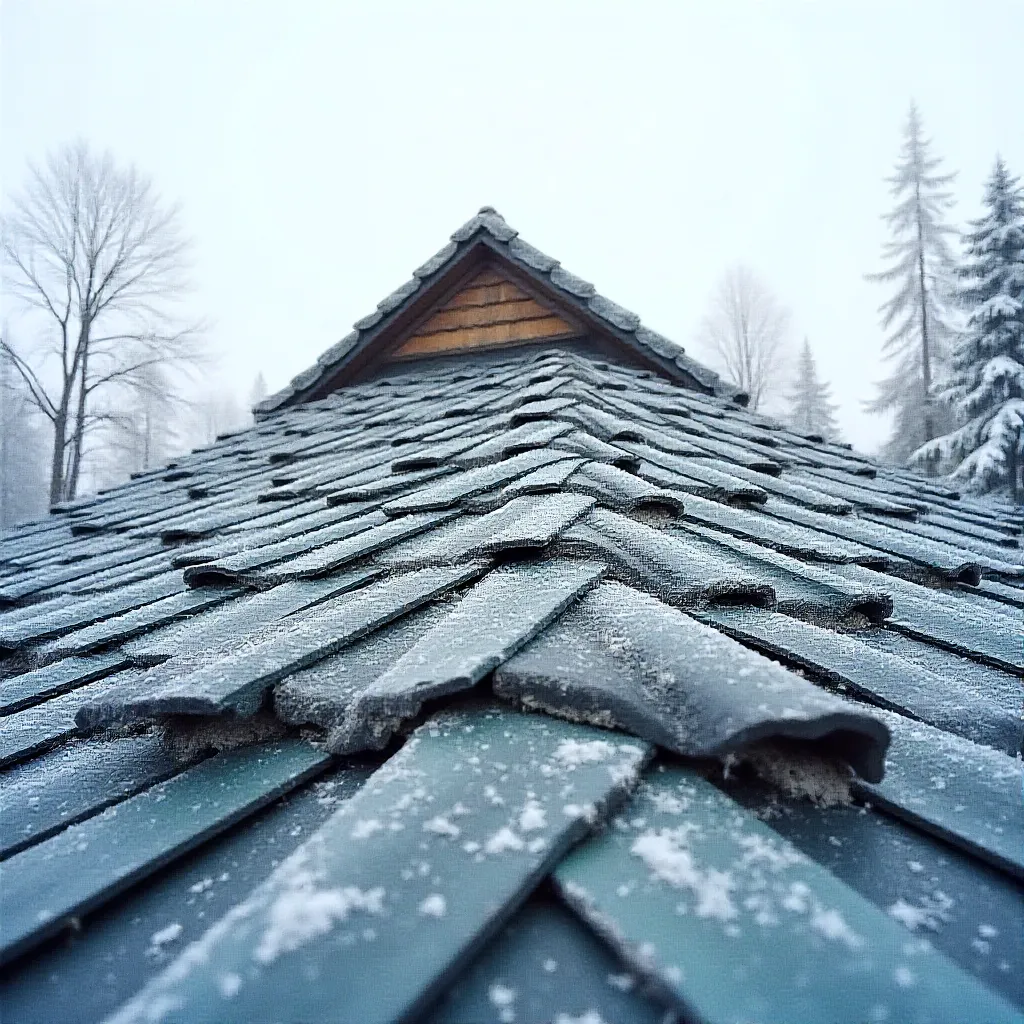
Cleaning Moss and Debris Naturally
Maintaining your roof without harsh chemicals protects both your home and the environment. Here are natural methods for keeping your roof clean and functional.
Remove Debris Regularly
Use a soft-bristled brush or broom to gently remove leaves, twigs, and other organic debris from your roof surface. This prevents moisture retention and potential damage.
Safety Tip: Always work from a stable ladder with proper safety equipment. Consider hiring professionals for high or steep roofs.
Natural Moss Removal
For moss removal, create a natural solution using equal parts water and white vinegar. Apply with a spray bottle and allow it to sit for 15-20 minutes before gently brushing away.
Alternative: A solution of baking soda and water can also be effective for removing moss without harming surrounding vegetation.
Preventive Measures
Install zinc or copper strips near the roof ridge. When rainwater flows over these metals, it creates an environment that naturally inhibits moss growth.
Ensure proper tree trimming to allow sunlight to reach your roof, as moss thrives in shaded, damp areas.
Seasonal Inspections
Regular inspections help identify potential issues before they become costly problems. Follow this seasonal checklist to maintain your roof's integrity.
Spring Inspection
-
Check for winter damage and ice dam effects
-
Inspect gutters and drainage systems
-
Look for loose or missing tiles
-
Examine flashing and seals
Summer Inspection
-
Check for UV damage and fading
-
Inspect ventilation systems
-
Clean gutters and downspouts
-
Check for pest activity
Fall Inspection
-
Remove accumulated leaves and debris
-
Prepare for winter weather
-
Check insulation and ventilation
-
Inspect all seals and joints
Winter Preparation
-
Ensure proper insulation
-
Check for ice dam prevention measures
-
Verify drainage systems are clear
-
Inspect for any structural concerns
Eco-Friendly Waterproofing Sprays
When waterproofing is needed, choose environmentally responsible products that protect your roof without harming the ecosystem.
Natural Waterproofing Options
Look for water-based, low-VOC waterproofing sprays that use natural polymers. These products provide effective protection while being safe for surrounding plants and wildlife. Apply during dry weather conditions for best results.
Application Tips
Apply waterproofing sprays in thin, even coats. Multiple light applications are more effective than a single heavy application. Always follow manufacturer instructions for optimal results.
Environmental Safety
Choose products certified by environmental organizations. These sprays break down naturally over time without leaving harmful residues in soil or water systems.
Roof Repair Guidance
Addressing minor repairs promptly prevents larger issues and extends your roof's lifespan. Here's how to handle common repairs sustainably.
Identify the Problem
Carefully inspect the affected area. Look for cracks, loose materials, or signs of water damage. Document the issue with photos for reference.
Choose Sustainable Materials
When replacing materials, use eco-friendly options that match your existing roof. Ensure compatibility and maintain the roof's overall environmental performance.
Professional Assistance
For significant repairs, consult with certified professionals who specialize in sustainable roofing. They can ensure repairs are done correctly and maintain your roof's eco-friendly properties.
Rainwater Harvesting Considerations
Integrating rainwater collection with your roof maintenance creates additional environmental and economic benefits.
Collection Systems
Install gutters and downspouts that direct water to collection barrels or cisterns. Ensure your roof surface is clean to maximize water quality.
Filtration
Use first-flush diverters to prevent initial runoff (which may contain debris) from entering your storage system. Simple mesh filters can remove larger particles.
Maintenance
Regularly clean collection systems to prevent algae growth and maintain water quality. Check for leaks and ensure proper overflow management.